01Anime AI girlfriend maker · 18+

An anime AI girlfriend maker built on archetypes, not filters

The anime end of the shelf changes how a character speaks, not just how she is drawn. Pick an archetype, then remix the half of it that is too much.

Fictional AI characters only. Nobody here is a real person.

Archetype5 presets

Anime shelf

Fictional AI character with pale hair in coloured neon light, shown as an anime archetype preset

open preset

Airitsundere · 24

  • theatrical
  • verbal tic
  • quick temper

saved 04 Febused 26×

  • origin · shelf preset
  • remix · your version
Remix

Neighbouring archetypes

  • Saved preset thumbnail: dark-haired AI character in a black top and choker
    preset_0228 Jan · used 19×Remix
  • Saved preset thumbnail: AI character with a straight dark fringe and a choker in low light
    preset_0319 Jan · used 14×Remix
  • Saved preset thumbnail: AI character in a black top, half-lit in a dim room
    preset_0411 Jan · used 11×Remix
  • Saved preset thumbnail: AI character under warm red light against black
    preset_0502 Jan · used 8×Remix

Adult characters, 19 and over

  • Written archetypes
  • Speech patterns
  • Style is a trait
  • 18+

02The detail

What makes a preset read as anime rather than look it

An art style you can swap in a dropdown is a filter; an archetype changes the sentences that arrive.

An anime AI girlfriend maker that only restyles the picture leaves you with the same character in different clothes. The presets on this end of the shelf are written to a form: the tsundere who insults you and then checks you are fine, the deadpan one who answers a confession with a weather report, the theatrical one who narrates her own entrance. The archetype is in the dialogue, and the artwork follows it.

That form is also why these presets get remixed hardest. Archetypes run hot by design, and about four exchanges in most people want the volume down — the first edit is almost always toning the theatrics while keeping the verbal tic that made the character fun. Others go the other way and push the drama further, which the trait panel handles just as happily.

Every character on this route is written as an adult, aged 19 and over, in adult settings. Anime styling here means the archetype and the artwork, and never a younger reading of the character.

What works well

  • Archetypes are written as dialogue rules, not applied as a picture filter
  • Speech quirks and verbal tics survive a remix unless you remove them
  • Style and personality are separate traits, so you can change one alone
  • Every archetype opens free, before you decide whether it suits you
  • Toning an archetype down takes one trait and about a minute
  • Every character is written as an adult, 19 and over

Worth knowing first

  • Archetypes are loud by default and most people edit them within minutes
  • A strong verbal tic gets repetitive if you never touch the trait
  • These are fictional AI characters, not real people and not licensed properties
  • Adults only — the age confirmation runs before the shelf loads

03On this page

Three archetypes off the anime shelf

Different forms rather than different faces — each one arrives with its own way of finishing a sentence.

Anime-leaning preset lit by screens, the archetype most people remix first

The archetype people open first: fast, expressive and reliably wrong-footed by a direct compliment.
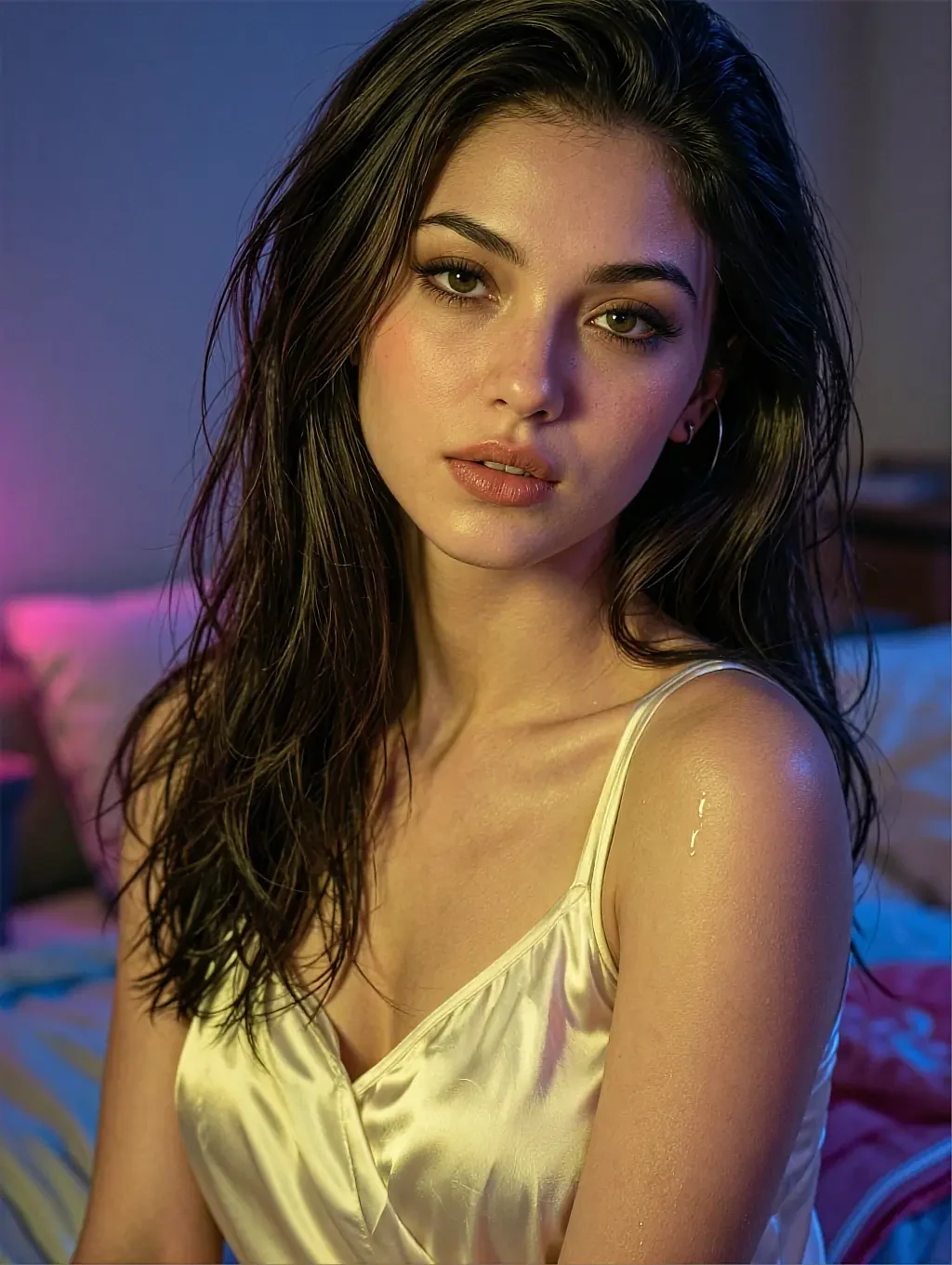
Anime archetype preset on a sofa, speech pattern kept theatrical on purpose

Theatrical by design, and left that way on purpose so you can hear what the trait does before editing it.
Anime archetype preset in a doorway, colour palette left as the shelf wrote it

The quieter end of the anime shelf, where the tic is a pause rather than a catchphrase.

04In practice

How an archetype behaves once you are talking

The first three messages are the audition. An archetype announces itself immediately — you will know inside a minute whether the theatrics are charming or exhausting, which is the entire reason these presets are readable before you open them.

From there it is the usual method: change the one dial that is too high, save it as your version, keep talking. The tic is what people keep and the volume is what people cut, and because a remix branches instead of overwriting, the original archetype is still on the shelf when you want the full-strength version back.

05Quick answers

Anime presets — what changes and what stays

01

What makes a preset anime here?

The writing. Each one follows a recognisable archetype — tsundere, deadpan, theatrical — with its own rhythm, verbal tic and way of dodging a direct question. The artwork matches the archetype, but the archetype is what you are actually talking to.
02

Can I change the art style without losing the personality?

Yes. Look and temperament are separate traits, so restyling a character leaves her dialogue rules intact, and rewriting her temperament leaves the artwork alone. Most people eventually edit both, one at a time, on different days.
03

Do anime presets speak differently from the rest of the shelf?

Noticeably. They use shorter bursts, more interjections, and a repeatable tic that shows up every few messages. If that becomes grating, the intensity is one trait in the remix panel rather than a reason to abandon the character.
04

Are the anime characters written as adults?

Yes, every one of them, aged 19 and over, in adult settings. There is no school framing anywhere on this shelf. The anime label describes the archetype and the artwork, nothing about the age of the character.

07Start now

Hear an archetype before you commit to it

Open one, send three messages, and the form declares itself. Toning it down afterwards takes a single trait and no payment.
Wide night frame of an AI character beside a phone showing an open preset

Take a preset off the shelf and remix it — free, no card, no install.

Open the shelf free